In short: Dental treatment can seem costly because it combines skilled, precise work by a trained professional, expensive materials and lab-made components, costly equipment and sterilisation, and significant chair-time per patient. Much of the fee reflects quality and safety — and prevention through regular check-ups is what keeps overall costs down.
It’s a common feeling, so it’s worth explaining where dental fees actually go. Several things sit behind the price of good dental care:
- Skill and training. Dentistry is precise, technical work performed by a highly trained professional, often over years of study. You’re paying for expertise and careful, safe treatment.
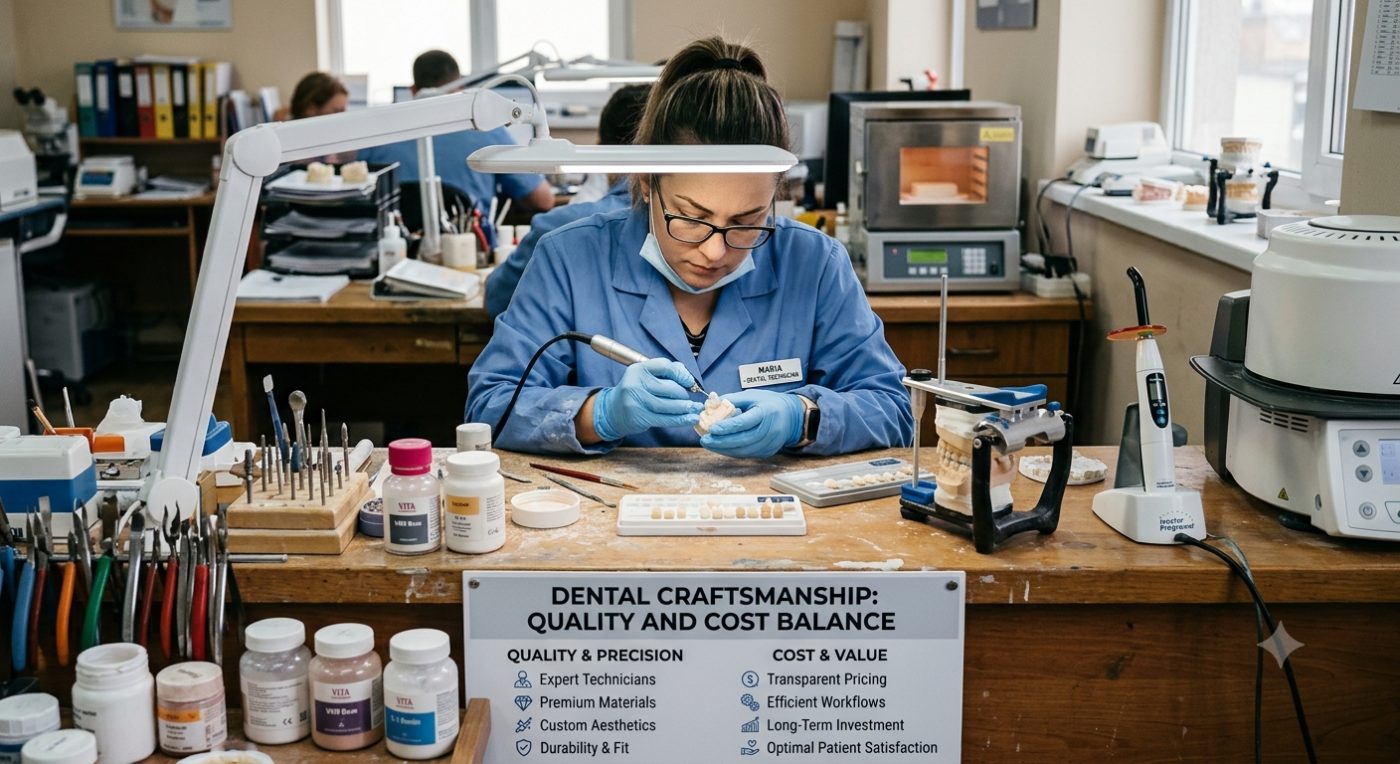
- Materials and lab work. Crowns, implants, veneers and dentures use high-quality, often imported materials and are custom-made in dental laboratories by skilled technicians — a real cost per item.
- Equipment and technology. Dental chairs, X-ray machines, sterilisers and instruments are expensive to buy and maintain.
- Strict sterilisation and safety. Rigorous infection control — single-use items, thorough sterilisation — protects you and adds real cost per patient.
- Chair-time. Many procedures take significant one-on-one time; the dentist treats one patient at a time, unhurried.
So much of the cost reflects quality, precision and safety rather than markup. Cutting corners on any of these is exactly what you don’t want in dentistry.
The good news: the best way to keep your dental costs down is prevention. Regular check-ups and cleanings catch problems early, when they’re small and cheap to treat, and help you avoid the expensive treatments altogether.
We keep our pricing honest and transparent, and always explain what you’re paying for. Book a check-up and see the difference prevention makes.